OAKE in Kecskemét 2025
Report about the OAKE delegation’s time at the
International Kodály Symposium in Kecskemét
By Tom Michalek
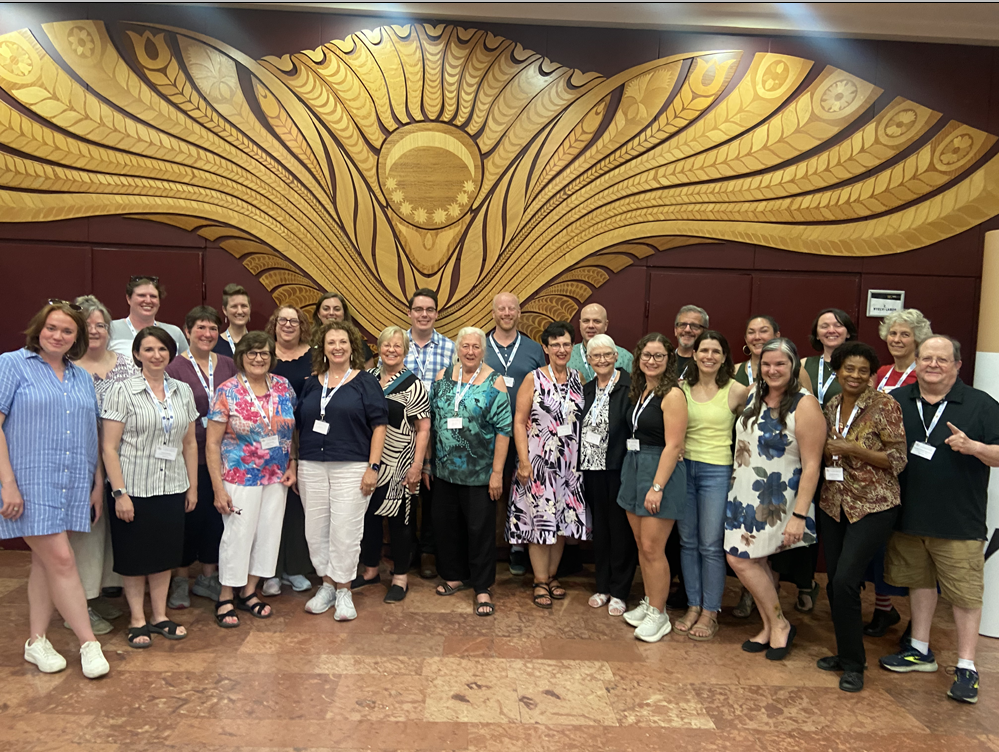
The American Delegation at the 27th International Kodály Symposium
As your Board President, I had the privilege of representing OAKE at the 27th International Kodály Symposium, “50 Years of Excellence: Core Principles in Changing Contexts” in Kecskemét, Hungary, August 4-8, 2025. This milestone conference celebrated the 50th Anniversary of the founding of the Kodály Institute, the 50th Anniversary of the founding of the International Kodály Society, and the 150th Anniversary of the founding of the Liszt Academy of Music.
Having never been to Hungary, I initially had misgivings about traveling so far around the globe. However, my friend Sarah Cane, an OAKE member and past student at the Kodály Institute, urged me to attend. “Not go?? You HAVE to go! It is a trip that will change your life.” I will forever be thankful for Sarah’s urging, because it did indeed change my life and my perspective.

The Hungarian Parliament Building
My trip began in the capital of Hungary and its largest city, Budapest. After being a Kodály-inspired teacher for roughly the past 30 years, I am used to explaining who Kodály was and his significance in global music education. However, the fact that my airport taxi driver was quite familiar with Zoltán Kodály tipped me off that I would have little explaining to do on this trip. Kodály is well-known throughout the country.
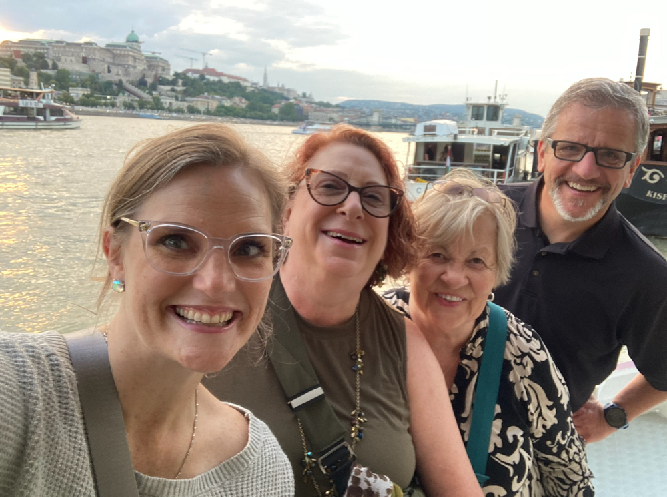
Tom & Texas: Julie Boettiger, Kathy Kuddes, Cecile Johnson, Tom Michalek
The metropolis of 3 million is actually two cities, divided by the Danube River: Buda on one side and Pest on the other. Both are visually stunning. I felt completely comfortable and safe exploring both on foot. I was privileged to have three travel companions from the United States: Kathy Kuddes, Cecile Johnson, and Julie Boettiger, all members of the Kodály Educators of Texas (KET) chapter. These three were so much fun to spend time with. We had a perfect balance of intellectually stimulating conversations about issues facing music educators, as well as fun and even silliness. Kathy, a seasoned visitor to Budapest, was very gracious and patient while showing us the sights, pointing out the historical highlights of what quickly moved to the top of my “favorite cities” list. Cecile had many great stories to tell about her years of experience as a master Kodály teacher, and Julie’s adventurous spirit kept us on the go.
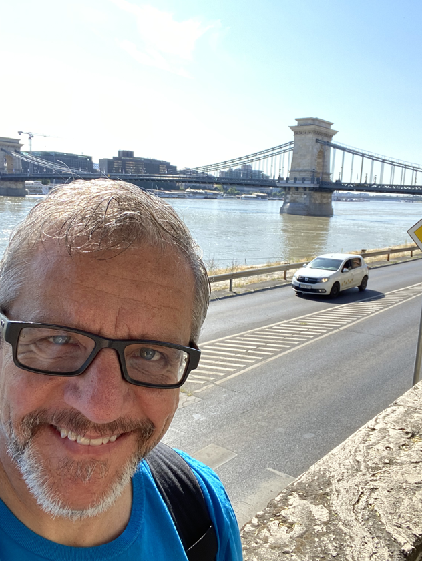
The Chain Bridge over the Danube River in Budapest
On Sunday afternoon, we took the one-hour train trip to Kecskemét. The birthplace of Kodály is often described as a “small town.” However, the city is NOT small, by Hastings, Nebraska standards at least, with a population of over 100,000 people. The train station where we arrived is the birthplace of Zoltán Kodály. Kodály’s father worked for the Royal Hungarian Railway and served as a station master, so the family moved frequently when Kodály was a child. Kecskemét is the home of the Kodály Institute, a beautiful, recently remodeled facility in a former monastery and a branch of the Liszt Academy. Our hotel was approximately a mile from the city center and the Institute, but as in Budapest, I felt comfortable walking the distance at various times of the day.
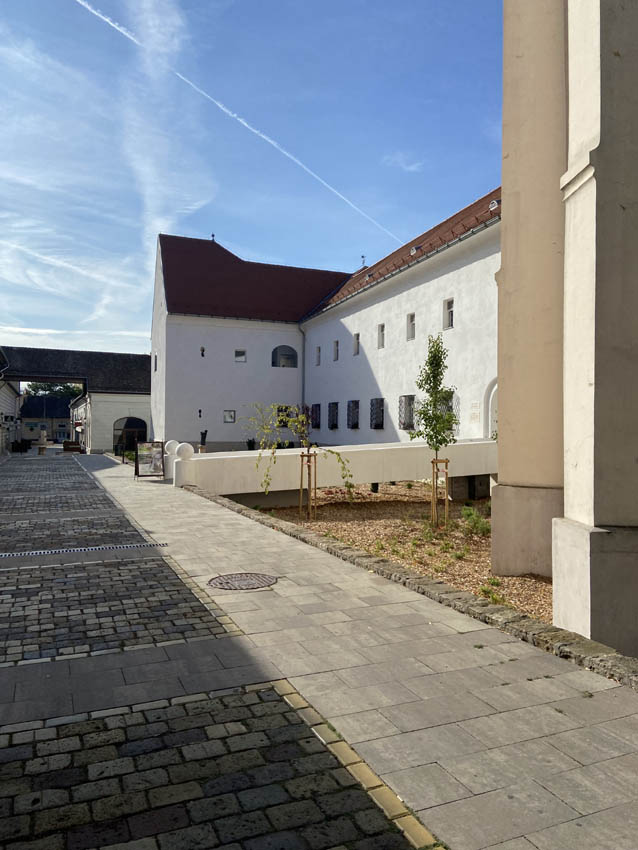
The Kodály Institute in Kecskemét
The conference schedule is significantly different from our OAKE conferences. The Kodály Arts Festival was being held in conjunction with the symposium, and as part of the festival, nightly concerts were held in the city. Sunday evening featured the spell-bounding Ars Nova Vocal Ensemble, singing the works of Zoltán Kodály as well as those of Susan Brumfield. It was a fitting way to kick off such a musically-enriching week.
Monday began with an Advisory Council meeting of the leaders of Kodály organizations from around the world: Australia, Britain, Canada, Denmark, Finland, France, Germany, Greece, Ireland, Italy, Japan, Korea, the Philippines… I delivered my report on OAKE’s accomplishments since the last symposium two years ago. It can be viewed here.
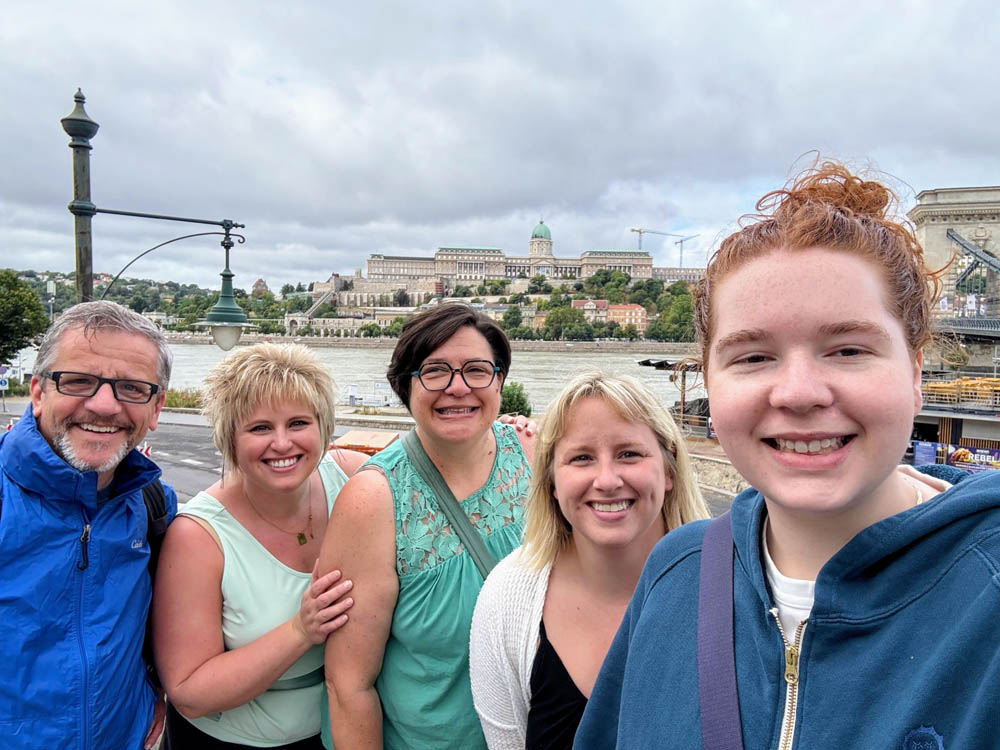
Tom & Ohio: Tom with Members of Tri-City Kodály Educators (TRIKE)
Monday also featured a rehearsal of the Symposium Participant Choir. To be honest, I signed up for the choir not because of an eager spirit, but more because of a case of “FOMO” (fear of missing out). Some good friends, Karla Cherwinski and Katie Wynkoop from the Tri-City Kodály Educators (TRIKE), had signed up, and because this was an excellent opportunity to spend time with them, I agreed to learn the music. This turned out to be significantly more work than I had anticipated, as I found out we’d be singing Kodály’s “Budavári Te Deum.” The Te Deum was commissioned by the mayor of Budapest in 1936 to commemorate the 150th anniversary of the liberation of Buda Castle from Turkish occupation. I was glad we had daily rehearsals, because even though the music was challenging, spending time under the baton of legendary Peter Erdei, the first Director of the Kodály Institute, was a once-in-a lifetime opportunity. However, I continued to wonder what I’d gotten myself into.
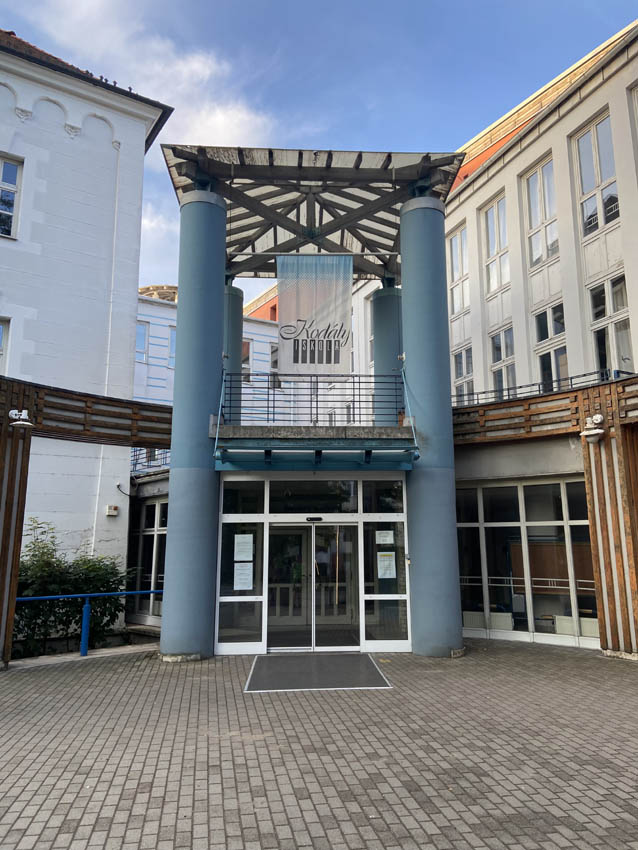
Kodály Iskola
Monday we were also treated to two events at the Kodály Iskola (Kodály School), the first primary school in Hungary where daily music was included in the core of the curriculum. School Director Dr. Tamás Ittzés explained the structure of the school, and although it was summer break, several students and their families were kind enough to return to school for demonstration lessons. Despite the lack of air-conditioning in the school auditorium, faculty members Ildikó Szegediné Tóth (and the fifth graders) and László Durányik (and the sixth graders) held the audience spellbound with their demonstrations of musical fluency. All I’d heard over the years about the musical abilities of the students in Hungary was proven to be true, and I could have watched the classes, all taught in Hungarian, for several more hours. The conference’s official Opening Concert that evening, again in the school auditorium, featured three of the school’s choirs, and introduced me to a new favorite, Kodály’s “Mountain Night I”. Breath-taking.
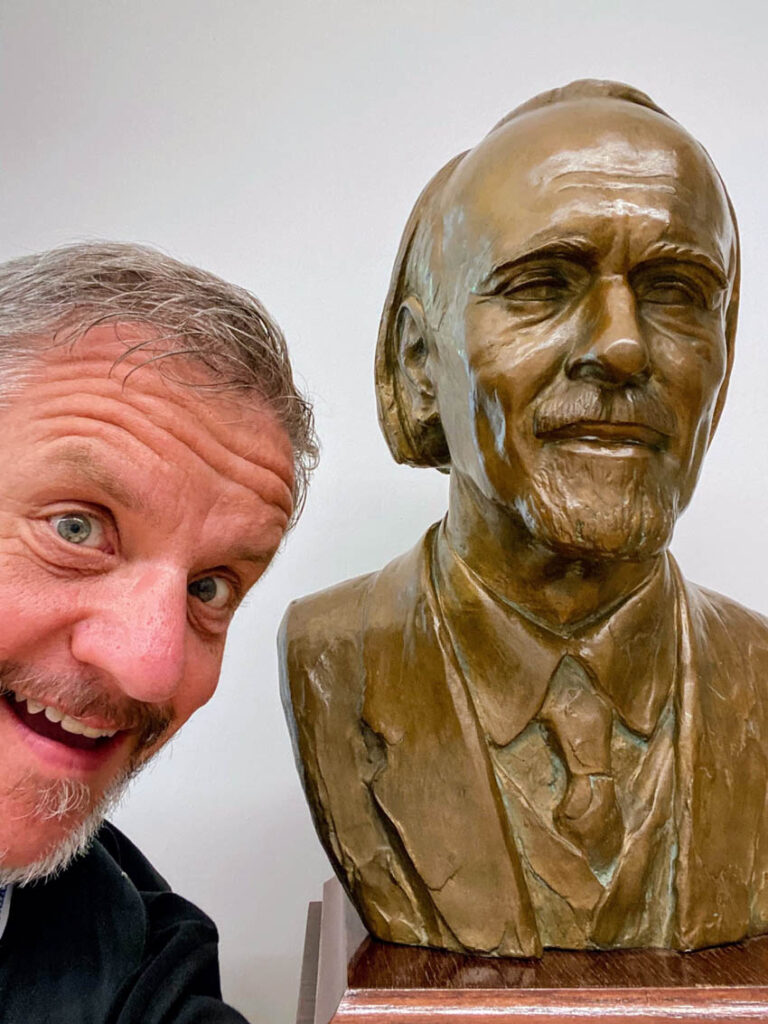
Tom with Zoltán
Tuesday began an unparalleled line-up of presenters. Unfortunately, there were more presentations than time, and although the sessions I attended greatly expanded my view of Kodály teaching, there were just as many that I was unable to attend. Highlights included the daily keynote addresses: Hilda Mercedes Morán Quiroz (“Music Heritage of the World: Authenticity, Attachment, and Permission to Exist”), Balázs Fülei (“Voices of the Future Arrive from the Past–Kodály from the Performer’s Perspective”), and IKS President Jerry Jaccard (“Toward Zoltán Kodály’s ‘Great Harmony’-Our Next 50 Years of Excellence”). Workshop highlights included Shinji Inagi (“Let’s Learn and Enjoy the Japanese Warabeuta!”), Hélène Boucher (“Children’s Singing Games from Québec”), Pek Lin Chong (“Kenyah Folk Songs from Borneo Applied to Music Pedagogy and Performance”), Fernando Cárdenas (“The Kodály Concept Through Latin American Music”), Beth Matthingly (“Challenges of a Kodály-Inspired Music Education Professor in the Middle of the United States”), Lydia Mills (“Nuestras Canciones y Juegos: Childhood Songs and Games from Latin America”), Joan Litman (“Shadows in the Moonlight: Engaging Middle Eastern and Latin American Songs, Singing Games, and Dramatization in Cultural Context”), Wei-Chun Wang (“Bridging Tradition and Vision: Enhancing Senior Choirs with Kodály Method and Taiwanese Folk Songs”), Pei Wen Tham (“Music for All: Community Music-Making with Children Who are Differently Abled and Their Carergivers”), Scott Sexton and Samira Merdžanić (“A Balkan Music Journey for Kodály”), just to name a few. (I apologize to my friends Kathy Kuddes, Kathy Hicky, Miriam Factora, Sandy Mathias, and others whose sessions I just couldn’t get to. Too much great stuff!)
Much like our OAKE conferences, the time between sessions was just as significant. I had the opportunity to visit with Kodály-inspired music educators from around the world, and learn how our teaching lives were different, as well as learning how we faced many of the same challenges. I began to see the Kodály-approach less as a sequence of teaching rhythmic and melodic concepts, and more as a philosophy of living a musically rich life.
This amazing week just kept getting better. On Thursday, the entire conference delegation bussed to Budapest for a day at the Liszt Academy. (That is surreal to me, just typing those words. I was at the Liszt Academy!) Lilla Gábor presented a fascinating and thought-provoking keynote address, “Reflections on Kodály’s Relevance and Mission in the 21st Century”, followed by a roundtable discussion with Susan Brumfield, Fernando Cárdenas, and Bence Juhász.
That evening was the symposium’s personal highlight for me: The performance of the Budavári Te Deum, under the direction of Peter Erdei, in the Liszt Academy Grand Hall. With Mrs. Kodály in attendance! The sense of overwhelm I had felt when sight-reading the music a month prior was replaced with the awe of performing in such a historically significant space.
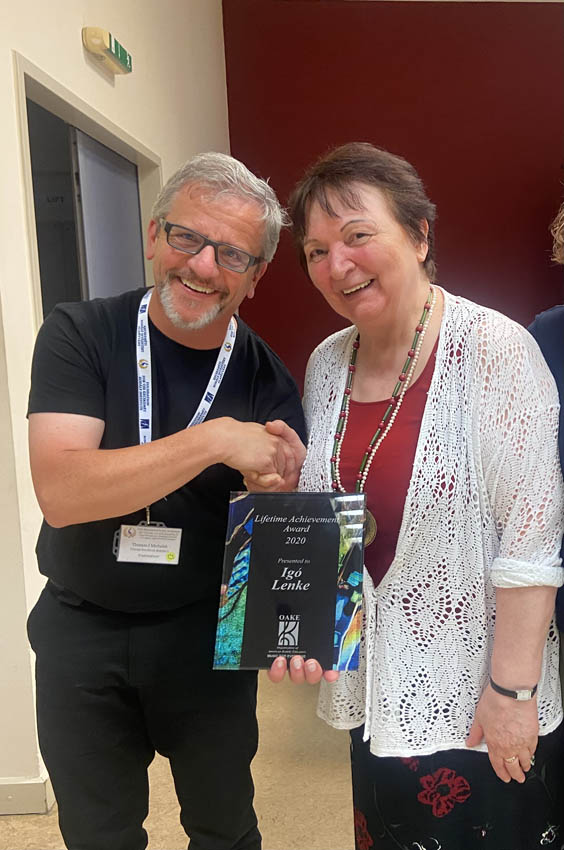
Tom Presents Lenke Igó with 2020 Lifetime Achievement Award
Friday included the thrill of presenting Kodály master teacher and legend Lenke Igó with a plaque commemorating her 2020 OAKE Lifetime Achievement Award. And before collapsing into bed that night before the long plane ride home, we sang another performance of the “Te Deum,” this time to a packed house in Kecskemét.
So, Sarah was right: Life-changing. If you ever get the opportunity to go to Hungary, where the roots of our approach lie, let ME be the one to say to you: “Not go?? You HAVE to go! It is a trip that will change your life.”
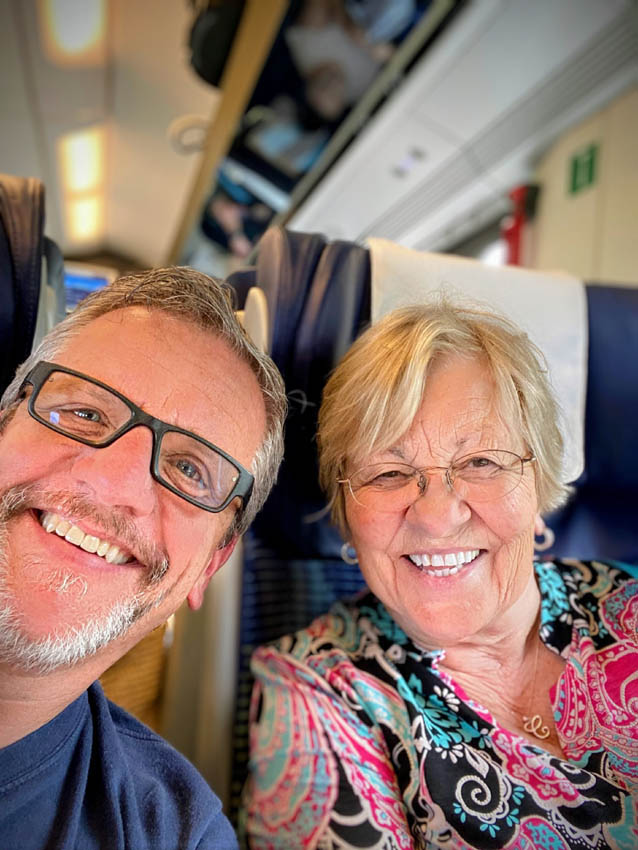
Tom and Cecile
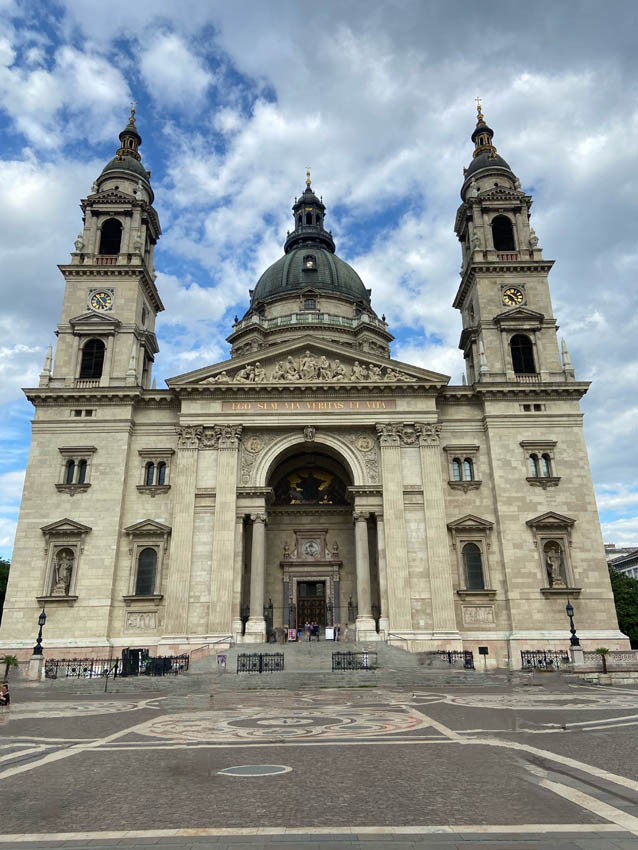
St. Stephen’s Basilica
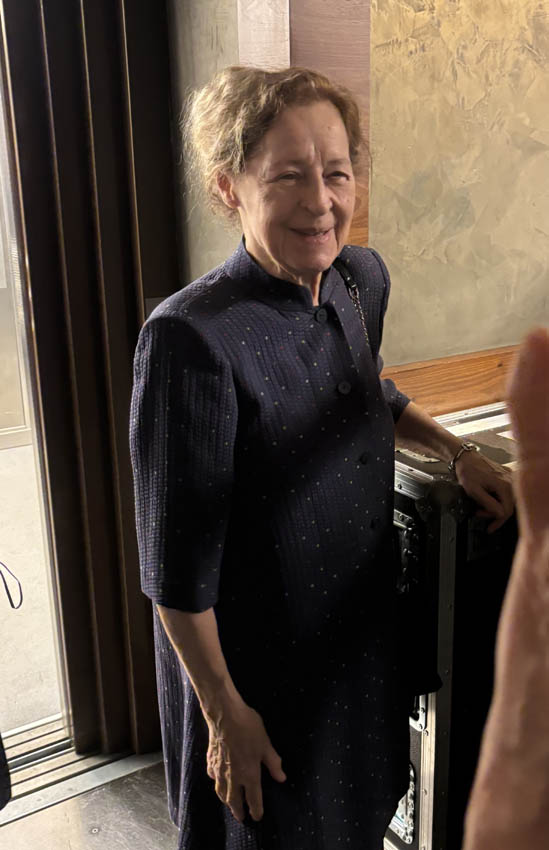
Mrs. Sarolta Kodály
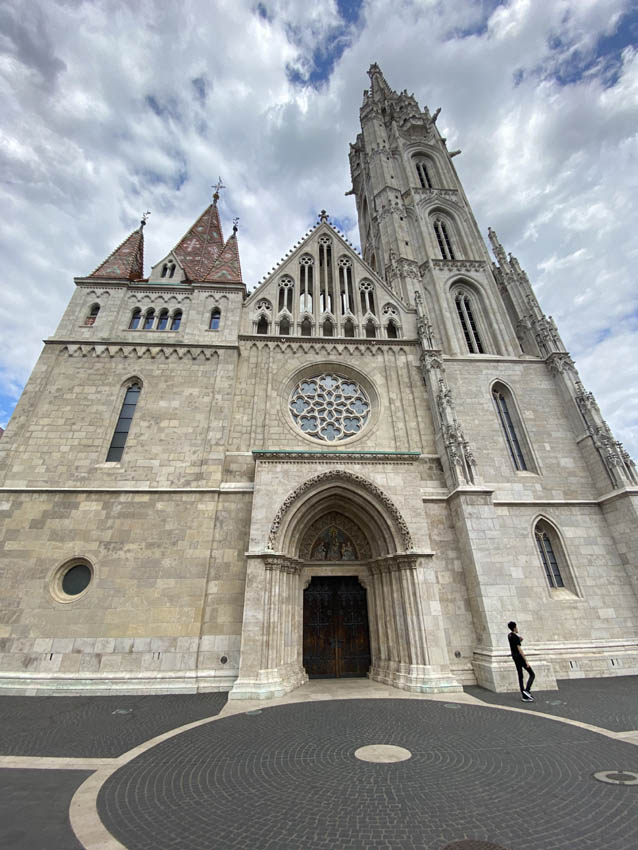
Mathias Church
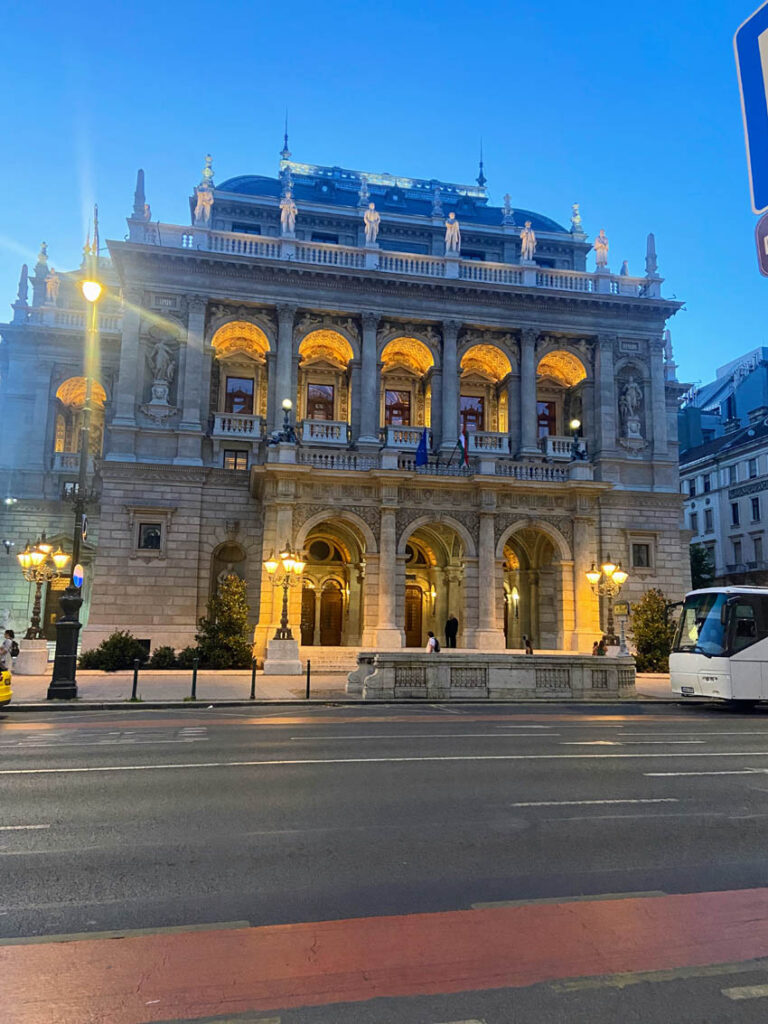
Budapest Opera House
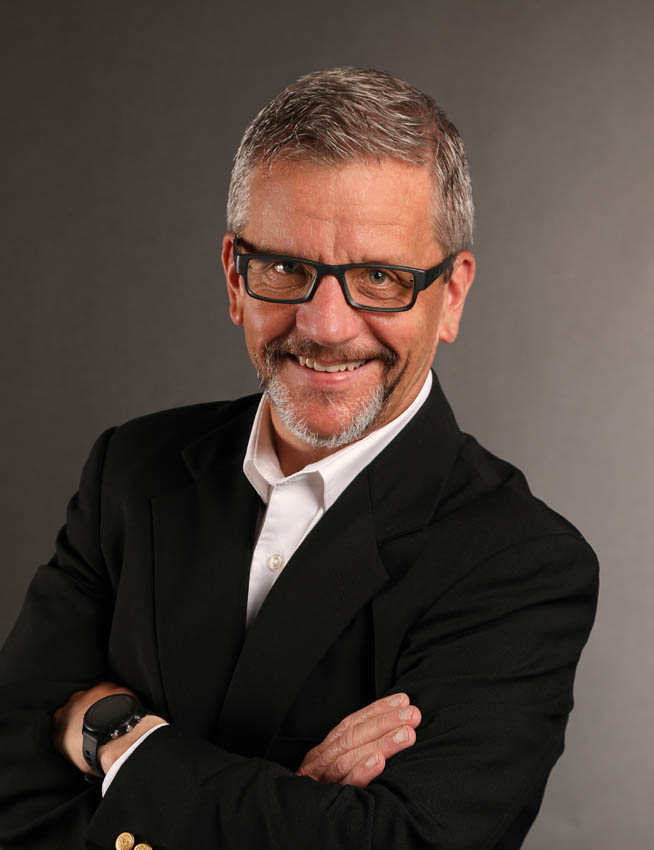
Tom Michalek, OAKE Past President, has been teaching elementary general music since 1991, currently with the Hastings Public Schools in Hastings, Nebraska at Watson Elementary School.
Tom has taught Kodály pedagogy and musicianship in training programs across the country, currently for the Kodály Institute at Capital University. He is a frequent staff development presenter for many organizations and school districts throughout the United States. His areas of professional development specialization include Kodály-inspired curriculum planning in the elementary general music classroom, music room organization, singing games and folk dances, and using ukulele and dulcimer as instructional tools.
Tom is a husband to Amy and a dad to Grace.